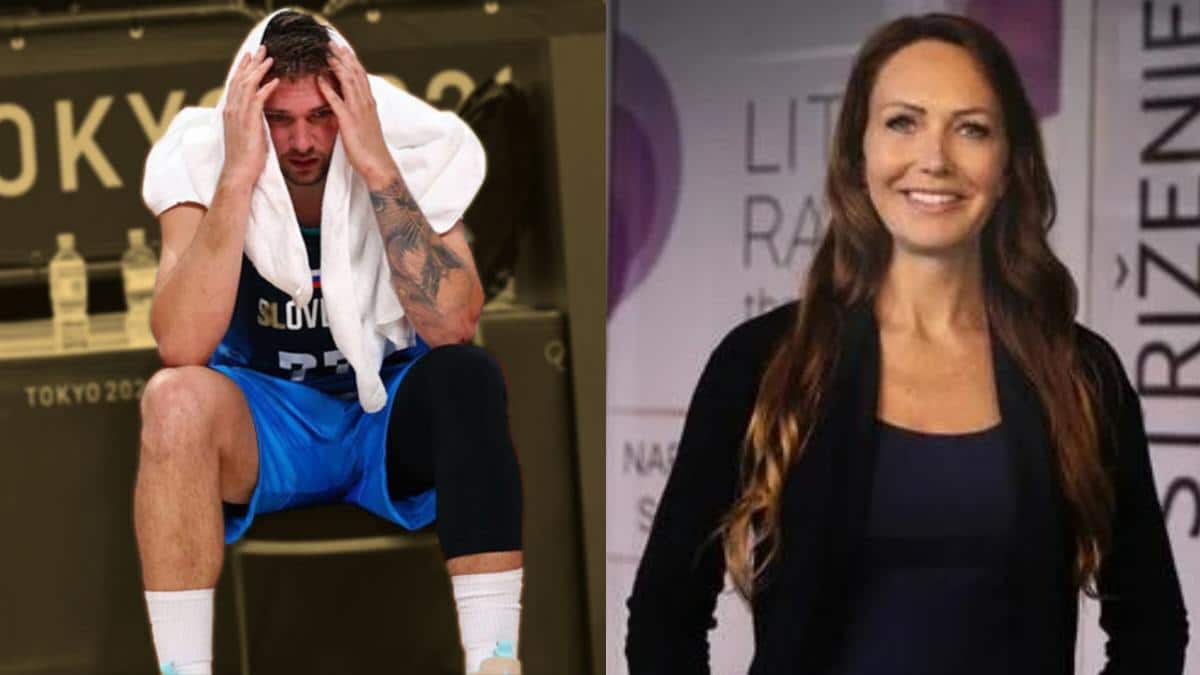
In the high-stakes world of professional sports, where athletes often command multi-million dollar contracts and global endorsement deals, control over one's personal brand is paramount. Yet, a truly rare and striking dispute has emerged from the court, not the court, involving one of the NBA's brightest stars. Dallas Mavericks sensation Luka Dončić has found himself in an extraordinary legal battle, taking action against his own mother, Mirjam Poterbin, in a bid to reclaim full authority over his name and brand. This isn't just about money; it's about identity, legacy, and the fundamental right of an individual to control their own persona in the public sphere.
The Heart of the Matter: Why Luka Sued By His Mom for Brand Control
The headline "Luka Sued By His Mom" might be attention-grabbing, but the reality is that Dončić initiated the legal proceedings, making it a case of the son suing his mother. This unusual familial legal skirmish stems from a decision made early in Dončić's illustrious career. Back in 2018, during his rookie season with the Dallas Mavericks, Luka granted his mother, Mirjam Poterbin, permission to register his name as a trademark. At the time, it was likely seen as a straightforward way to manage his burgeoning commercial interests, as his star power was rapidly ascending.
However, as Dončić’s global profile exploded, the landscape of his brand management became more complex. He sought to consolidate control over his name, image, and associated business ventures. According to NBA reporter Marc Stein, Dončić made written requests last year for his mother’s company to relinquish the "Luka Dončić" trademark. When these attempts proved unsuccessful, the Slovenian phenom was left with what his representatives termed a "last resort" – filing a petition to gain full control over his name, brand, charitable foundation, and business affairs. The crux of the issue is that conflicting trademarks prevent Dončić from holding clear rights to use his own name, severely limiting his ability to expand his brand as he desires.
Dončić himself has been clear about his motivations: “I have a lot to look forward to as I continue to grow as a player and a person and it’s important to me to control my own brand and focus on giving back to my communities,” he stated. This desire for autonomy over his brand extends to his new personal logo, unveiled last season on his Jordan Brand sneakers and apparel. This innovative design cleverly incorporates his initials (LD), his iconic jersey number (77), and the letter "S" to proudly represent his home country of Slovenia. Yet, even as he moves forward with new branding elements, the shadow of the existing trademark for "Luka Dončić" continues to loom large, even leading to a preliminary rejection of his own attempts to trademark his name by the U.S. Patent and Trademark Office (USPTO). This underscores the urgency and necessity behind his decision to pursue legal action.
Mirjam Poterbin's Pivotal Role and the Early Years
To understand the depth of this dispute, it’s important to acknowledge Mirjam Poterbin’s significant role in Luka Dončić’s life and career. Born on February 28, 1999, Luka’s parents separated when he was just nine years old, leaving Mirjam with much of the responsibility for raising him. She played an undeniably crucial part in shaping his early basketball journey, providing both financial and emotional support as he developed into the prodigious talent he is today.
Mirjam Poterbin herself boasts an interesting background. In her younger years, she was a model and even participated in the Miss Slovenia pageant in 1993 at the age of 19. Though she didn’t win, her career extended to television, where she famously hosted the Slovenian version of "Wheel of Fortune." These modeling and TV ventures provided her with the means to support her son and offer him a better life. For a period, she also ran a beauty salon with her own mother. As Luka gained fame in Slovenia from a very young age, Mirjam handled many of his financial affairs while he honed his skills playing basketball in Europe. While she has reportedly returned to the modeling business and continues to thrive as an entrepreneur, her previous close involvement in Luka’s career, particularly in financial and brand matters, laid the groundwork for the current dispute.
Her historical support for Luka is precisely what makes the current situation so sensitive. The initial agreement for her to register his trademark was likely born from trust and a shared vision for his future. However, as the athlete's career trajectory soared beyond expectations, the dynamics and needs of brand management inevitably shifted, leading to this complex and regrettable family disagreement. It’s a stark reminder that even the closest relationships can be strained when business and legal intricacies intersect with personal ties.
The Intricacies of Trademark Law and Athlete Branding
The dispute involving Luka Dončić highlights a critical aspect of modern professional sports: the immense value and complexity of an athlete's personal brand. For global superstars like Dončić, their name, image, and likeness (NIL) are not merely personal identifiers; they are powerful commercial assets that drive endorsement deals, merchandise sales, and future business ventures, including charitable foundations. Protecting these assets through trademark registration is a fundamental step in securing long-term financial stability and control.
In Dončić's case, the initial registration of his name as a trademark by his mother's company, while perhaps well-intentioned at the outset, has now become a significant impediment. The "preliminary" rejection by the U.S. Patent and Trademark Office of Dončić's own application to trademark "Luka Dončić" is a clear indication of this conflict. Trademark law is designed to prevent consumer confusion; if two entities hold similar trademarks for similar goods or services, it can lead to rejections or legal challenges. Here, the existing trademark held by his mother’s company is effectively blocking Luka from having clear, undisputed rights to use his own name for his own burgeoning enterprises.
This scenario offers a valuable lesson for all public figures, especially young athletes. The importance of establishing clear, legally sound agreements from the very beginning of a career, particularly when involving family members, cannot be overstated. While intentions may be pure, the business realities of a multi-million-dollar brand demand professional legal counsel and precise documentation. Without it, even a loving relationship can devolve into complex legal battles over intellectual property, underscoring why Luka Sued By His Mom has become such a prominent and cautionary tale. Athletes, agents, and family members must understand that a verbal agreement or an informal arrangement, no matter how heartfelt, rarely suffices when protecting a global brand.
Practical Tip for Aspiring Public Figures: Always seek independent legal counsel when dealing with intellectual property rights, especially when involving family. Draft comprehensive agreements that clearly define ownership, usage rights, and exit strategies for all brand assets. Regular review of these agreements is also crucial as a career evolves.
The Far-Reaching Implications for Luka's Legacy
The outcome of this legal battle carries profound implications not just for Luka Dončić’s immediate commercial interests, but for his long-term legacy. An athlete's brand is an extension of their identity, and for Dončić, controlling the "Luka Dončić" trademark is essential for shaping how he is perceived by fans, partners, and the wider world. This control is vital for fully leveraging his partnerships, such as his lucrative deal with Jordan Brand, and for expanding his own charitable foundation, which he explicitly mentioned as a priority.
Dončić's stated desire to "give back to my communities" is a common aspiration for many successful athletes. However, without full control over his brand, the efficiency and reach of such philanthropic efforts can be hampered. A clear, undisputed trademark allows for seamless integration of his name with his foundation's mission, merchandise, and fundraising campaigns. This legal clarity ensures that all endeavors under his name are truly aligned with his vision and values, without potential legal challenges or third-party interference.
Beyond the financial and philanthropic aspects, the psychological toll of suing a parent can be immense. While Dončić has chosen to pursue this as a "last resort," the emotional weight of such a public dispute is undeniable. It highlights the difficult decisions individuals in the public eye sometimes face to protect their professional interests and personal autonomy. Ultimately, gaining full control over his brand is about securing his future and ensuring that the narrative and commercial journey of "Luka Dončić" is one he dictates entirely.
For a deeper dive into the specific legal aspects, you might read Luka Dončić Sues Mom: The Battle for His Brand Identity, or explore Why Luka Dončić Sued His Mother for Trademark Control to understand the core motivations behind this unprecedented familial legal action.
Actionable Advice for Future Public Figures: Prioritize establishing a professional team (agents, lawyers, financial advisors) early in your career. Ensure clear, legally binding contracts govern all aspects of your brand, especially intellectual property, and that these are reviewed and updated regularly as your career progresses and your brand evolves. This proactive approach can help mitigate future conflicts, even with those closest to you.
The saga of Luka Dončić and his mother serves as a powerful testament to the intricate challenges of brand management in the modern era, especially for globally recognized athletes. What began as a seemingly benign agreement has escalated into a public legal battle, forcing Dončić to take extraordinary measures to reclaim his own name. His fight for brand freedom underscores the critical importance of controlling one's identity and commercial assets, not just for personal gain, but for the ability to shape a legacy and give back to the world on his own terms. As the legal process unfolds, the sports world watches, hoping for a resolution that allows one of basketball's brightest stars to fully shine, unburdened by disputes over his own name.