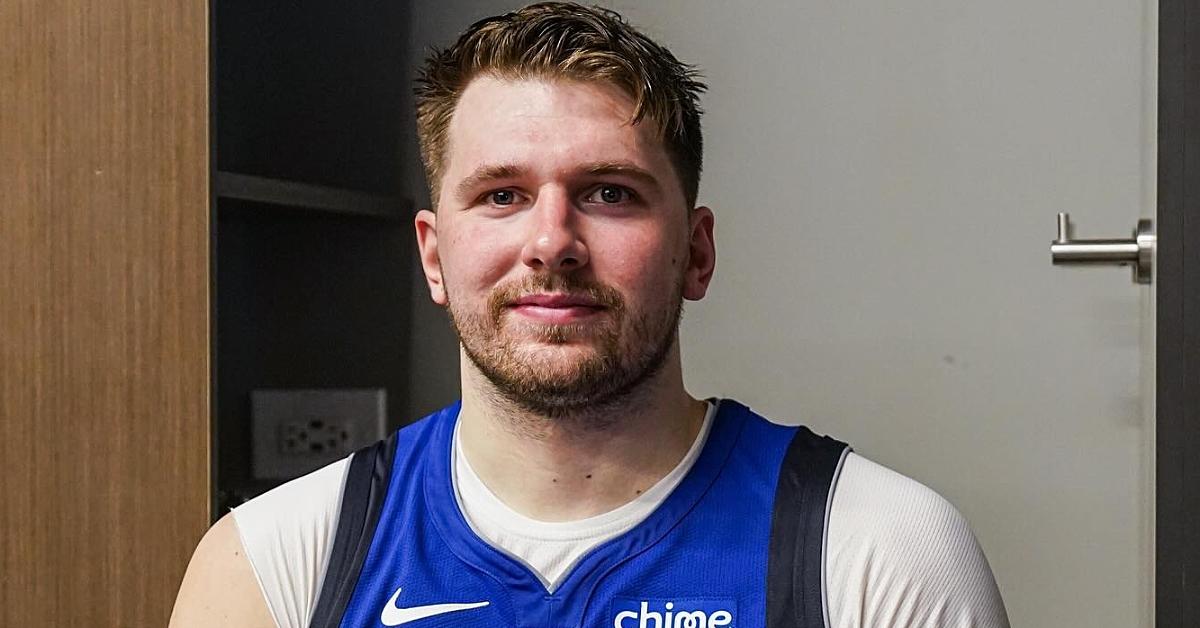
The Unprecedented Legal Battle: Why Luka Doncic Sued His Mother for Trademark Control
In the high-stakes world of professional sports, where athletes often manage vast personal brands and lucrative endorsements, legal disputes are not uncommon. However, a specific kind of legal battle recently captured global attention: NBA superstar Luka Doncic’s lawsuit against his own mother, Mirjam Poterbin, for control of his personal trademark. The phrase "Luka Sued By His Mom" might initially confuse some, but the reality is the reverse – it was Luka who initiated the legal action to gain full autonomy over his name and brand identity. This extraordinary case sheds light on the complexities of athlete branding, family dynamics in business, and the critical importance of intellectual property rights in the modern era.
The Genesis of a Trademark Tussle: How It Began
The roots of this unusual family conflict trace back to Luka Doncic's rookie year in the NBA, 2018. As a burgeoning talent fresh from Europe, Luka entrusted his mother, Mirjam Poterbin, with crucial aspects of his nascent career. Mirjam had long played a pivotal role in Luka's life, managing his affairs and guiding him through his early basketball journey in Slovenia and Spain. Her entrepreneurial background, including a past career as a model and TV host, had equipped her with experience in navigating public life and business. It was during this period that Luka gave his mother permission to register his name, "Luka Doncic," as a trademark for her company.
At the time, this arrangement likely seemed practical and benevolent. Mirjam had been a constant pillar of support, especially after Luka's parents split when he was nine, leaving her with significant responsibility for his upbringing and career development. She meticulously handled his financial affairs while he was honing his skills in Europe, establishing a foundation for his success. However, as Luka's star ascended, transforming him into a global phenomenon and one of the NBA's most marketable athletes, the initial arrangement began to present unforeseen challenges.
According to reports from veteran NBA reporter Marc Stein, Luka attempted to resolve the issue amicably. In the year prior to the lawsuit, he reportedly made written requests to his mother's company to relinquish the trademark. Despite these efforts, the trademark was not transferred, setting the stage for the dramatic legal intervention. This refusal, after attempts to resolve it privately, underscored the critical nature of the dispute from Luka’s perspective.
Why Brand Control Matters for a Global Icon Like Luka Doncic
For an athlete of Luka Doncic's caliber, controlling one's brand is not merely a matter of ego; it's a fundamental necessity for managing a burgeoning empire that extends far beyond the basketball court. Luka himself articulated his motivation, stating, "I have a lot to look forward to as I continue to grow as a player and a person and it’s important to me to control my own brand and focus on giving back to my communities." This statement highlights the multifaceted importance of brand control:
*
Endorsement Deals and Merchandise: Major athletes command multi-million dollar endorsement deals. Brands like Jordan (with whom Luka has a signature shoe deal) invest heavily in an athlete's image. Having clear, undisputed ownership of one's name is paramount for negotiating these lucrative contracts and ensuring all related merchandise is properly licensed.
*
Charitable Foundations: Luka's desire to "give back to my communities" often translates into establishing charitable foundations. To operate effectively, such foundations require clear ownership of intellectual property related to the athlete's name and image to fundraise and operate legally.
*
Future Business Ventures: An NBA career, while illustrious, is finite. Athletes often transition into entrepreneurship or other ventures. Control over their personal brand ensures they can leverage their name for future business endeavors without legal impediments.
*
Personal Legacy and Identity: Beyond financial considerations, a brand represents an athlete's public identity and legacy. Luka's unveiling of a new, distinct logo last season – incorporating his initials (LD), jersey number (77), and a stylized 'S' for Slovenia – clearly signaled his intent to forge his own brand identity. This move was a proactive step towards establishing a unique visual identity separate from any existing entities.
The critical turning point that necessitated the lawsuit came when Luka attempted to trademark his own name, "Luka Doncic," for his new brand efforts. This application was "preliminarily" rejected by the U.S. Patent and Trademark Office (USPTO). The reason? The existence of conflicting trademarks already registered under his mother's company. This rejection made it impossible for Luka to hold clear rights to use his own name commercially, effectively stifling his ability to fully capitalize on his fame and charitable aspirations.
The Unforeseen Legal Hurdles: Navigating Trademark Law
The preliminary rejection by the USPTO perfectly illustrates the complexities of trademark law and why this lawsuit became Luka's "last resort." In essence, trademark law is designed to prevent consumer confusion. If two entities hold trademarks for "Luka Doncic" (or similar variations) in related goods or services, it creates a legal and commercial quagmire. The USPTO's role is to ensure unique identification for brands, and existing, valid registrations take precedence.
For Luka, this meant that despite being "Luka Doncic," he couldn't legally secure his *own name* for his brand identity because his mother's company already held the rights. This scenario is a stark reminder of the importance of foresight and clear legal frameworks, especially when family members are involved in business dealings from an athlete's early career. While intentions might be pure at the outset, as an athlete's career blossoms into a global enterprise, the informal arrangements of yesteryear often become insufficient and even problematic.
This situation underscores why athletes, or any public figure, need robust legal teams to manage their intellectual property. It’s not just about guarding against external infringement but also about ensuring internal clarity and control. For a deeper dive into the specific legal mechanisms at play, you can read more about
Luka Doncic Sues Mom: The Battle for His Brand Identity and understand the nuances of the trademark system.
Practical Tip: For any emerging talent or public figure, it is crucial to establish clear, legally binding agreements regarding intellectual property rights from the very beginning. Relying on informal understandings, especially with family members, can lead to significant complications down the line as careers grow. Professional contracts outlining ownership, usage, and eventual transfer of trademarks are essential.
Beyond the Courtroom: The Broader Implications for Athlete Branding
The case of Luka Doncic and Mirjam Poterbin transcends a simple legal dispute; it offers valuable insights into the evolving landscape of athlete branding and the unique challenges faced by young prodigies. Many athletes, particularly those who achieve global fame at a young age, often have family members managing their initial affairs. While this can provide comfort and trust, it also carries inherent risks when the scale of the business explodes.
*
Transition from Family Management to Professional Management: As a career progresses, there's often a necessary transition from informal family management to a more professionalized business team comprising agents, lawyers, financial advisors, and branding experts. This transition, while essential for maximizing an athlete's potential, can strain family relationships.
*
The Evolving Role of Parents: Parents play an indispensable role in nurturing talent. However, their role often needs to adapt from guardian and early manager to a supportive, advisory capacity as their child reaches global superstardom. Understanding these shifting roles is vital for all parties involved.
*
A Cautionary Tale for Emerging Talents: This dispute serves as a powerful cautionary tale for other young athletes and their families. It emphasizes the need for legal diligence, clear lines of communication, and the importance of having legal experts scrutinize all business agreements, regardless of who is involved. The fight for brand freedom can be complex, as seen in
Luka Doncic's Last Resort: Suing Mom for Brand Freedom.
The ultimate goal for Luka Doncic, as stated, is to gain full control over his name, brand, charitable foundation, and business affairs. This autonomy is not just about financial gain but about shaping his own legacy and directing his philanthropic efforts without external hindrance.
Conclusion
The lawsuit initiated by Luka Doncic against his mother, Mirjam Poterbin, for trademark control is a stark and unusual reminder of the complexities inherent in managing a global athlete's brand. While emotionally charged and undoubtedly difficult for all involved, the case highlights a fundamental business necessity for modern sports stars: absolute control over one's own identity. For Luka, this legal step was a "last resort" to rectify a situation that prevented him from fully realizing his vision for his brand, his business ventures, and his commitment to giving back to his communities. As athletes become more than just players, evolving into global brands themselves, the clarity and control of their intellectual property will remain paramount to their long-term success and legacy.